 How-to
How to Spot Reliable Used Cars Before You Buy
Last Updated: November 1, 2026
Quick Summary
Reliable used cars start with paperwork, not the test drive. Run a vehicle history report using the VIN and request maintenance records to rule out problem vehicles before you visit a lot. Then inspect the car in person and get an independent pre-purchase inspection before signing anything.
- Ask the seller for the VIN and run a vehicle history report before visiting.
- Check title status for salvage or rebuilt brands.
- Look for consistent service history at reasonable intervals.
- Confirm the mileage matches the service records.
- Use a checklist at the lot, including tire wear and fluid leaks.
Table of Contents
- Start With the Vehicle History Report and Maintenance Records
- Use a Used Car Inspection Checklist at the Lot
- Finish With a Test Drive and a Pre-Purchase Inspection
- Frequently Asked Questions
Start With the Vehicle History Report and Maintenance Records
Finding reliable used cars starts with paperwork, not the test drive. If you want help judging which dealerships are worth trusting with those records, read how to evaluate used car dealerships. Before you visit any lot, ask the seller for the vehicle identification number (VIN) and run a vehicle history report. The report shows past accidents, title status, and registration history, which helps you rule out problem vehicles early (Used Cars).
Next, ask for maintenance records.
- Check title status for salvage or rebuilt brands
- Look for consistent service history at reasonable intervals
- Note any reported accidents and whether repairs were documented
- Confirm the mileage matches the service records
The key checks before a visit are summarized below.
| Check | What to look for | Why it matters |
|---|---|---|
| Title status | Salvage or rebuilt brands | Flags major past damage |
| Service history | Consistent service at reasonable intervals | Shows the car was maintained |
| Accident reports | Reported accidents and documented repairs | Reveals hidden structural issues |
| Mileage | Matches the service records | Catches possible odometer problems |
Use a Used Car Inspection Checklist at the Lot
A used car inspection checklist keeps you focused when a salesperson is talking fast, and it helps you compare reliable used cars more objectively. Walk around the vehicle in daylight and look for uneven panel gaps, mismatched paint, and tire wear that runs unevenly across the tread.
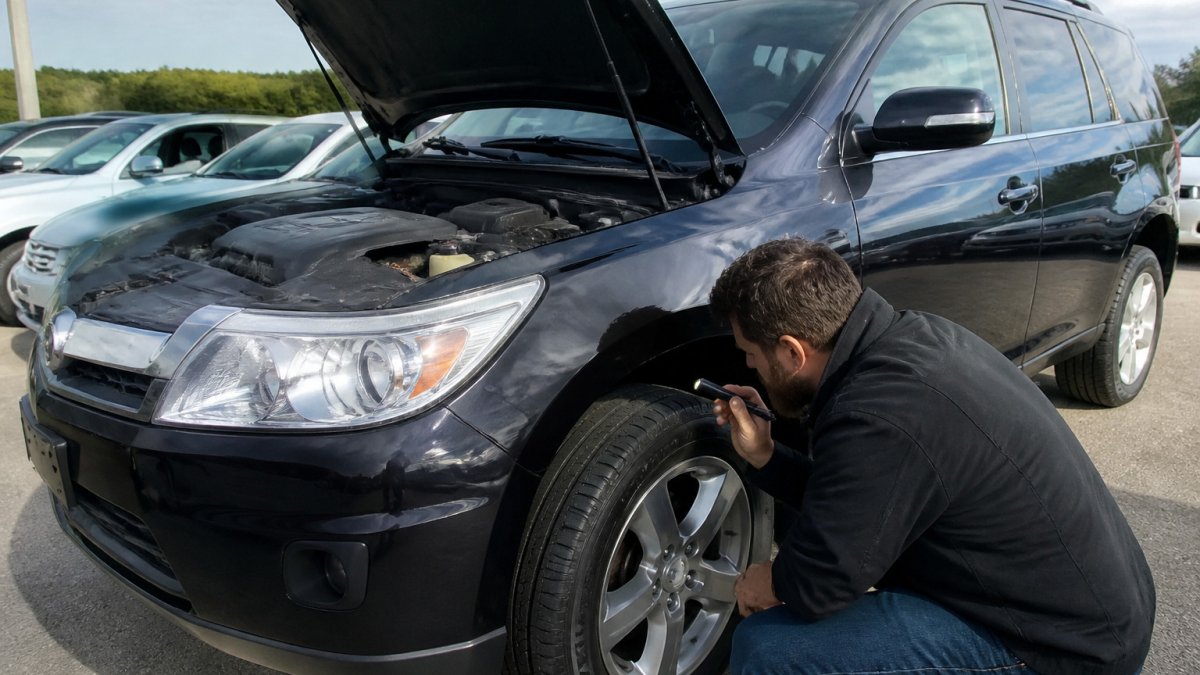
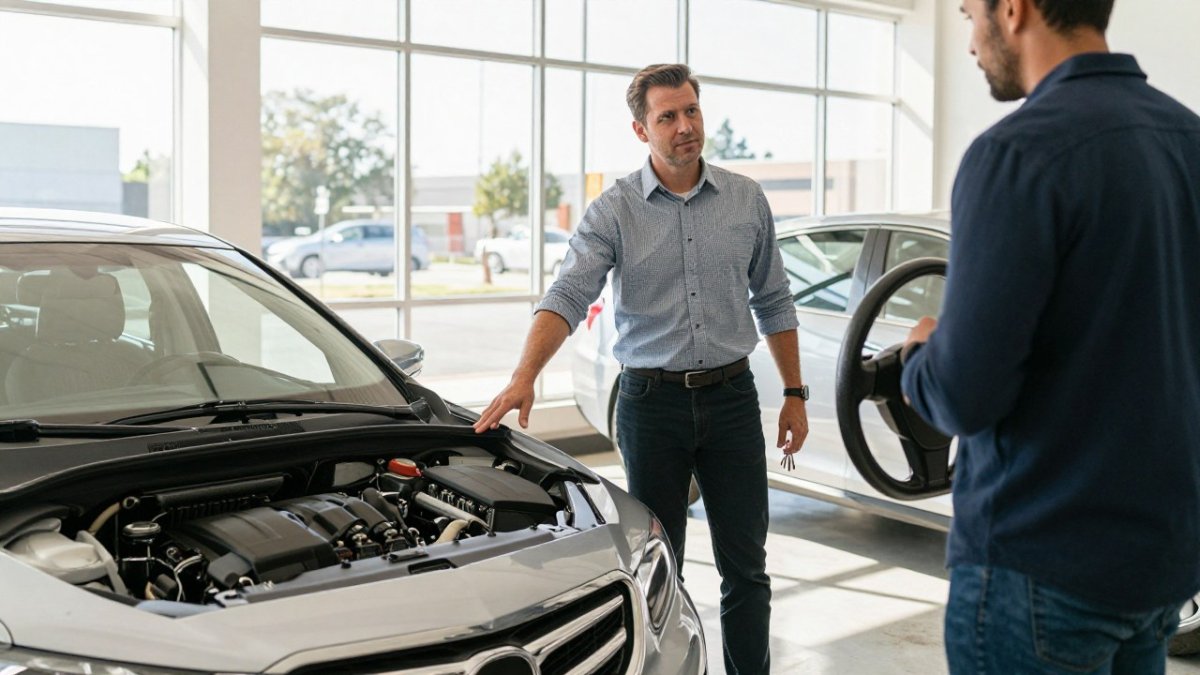
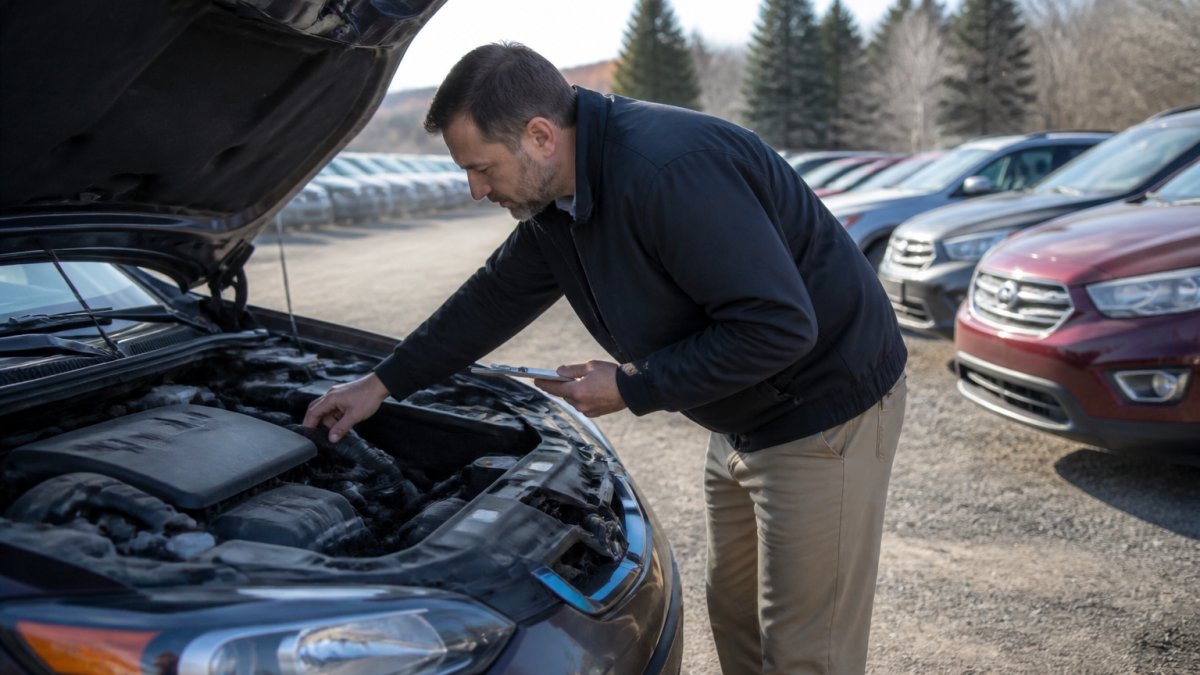
Then check under the hood. Look for fluid leaks, cracked belts, and signs of recent cleaning around the engine that might hide oil seepage.
- Inspect tire tread depth and matching brands
- Check fluid levels and color for signs of neglect
- Test all lights, windows, locks, and climate controls
- Look inside for water stains or musty odors
Finish With a Test Drive and a Pre-Purchase Inspection
A short test drive shows you how the car behaves at speed, over bumps, and during stops. Listen for grinding, squealing, or clunks, and notice whether the car pulls to one side.
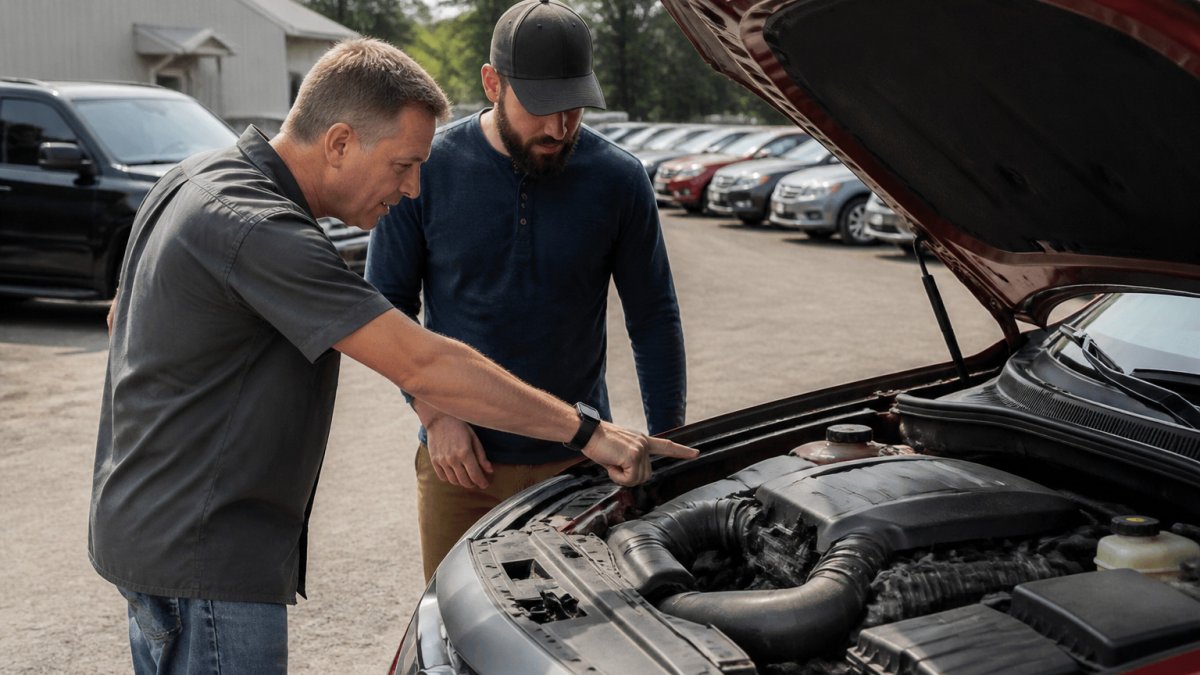
Before you sign anything, consider paying for an independent pre-purchase inspection. A mechanic you choose can spot problems a checklist misses.
Watch out: Do not skip the inspection because the car looks clean. A fresh detail can hide problems that only a lift reveals.
Ready to take the next step? browse used cars for sale at Hillside Motors or learn about used auto financing options when you're prepared to move forward.
Frequently Asked Questions
How can I check a used car's history?
Ask the seller for the vehicle identification number (VIN) and run a vehicle history report with it. The report can show title status, reported accidents, registration history, and service records when they were reported. Compare what the report says with what the seller tells you and with what you see on the car. If the seller will not share the VIN or the maintenance records, treat that as a reason to be cautious and keep looking.
Should I have a mechanic inspect a used car before buying it?
Yes. A pre-purchase inspection by an independent mechanic you choose, not one recommended by the seller, can catch problems a visual check will miss, such as engine leaks, worn suspension parts, or signs of prior collision repair. Ask the mechanic to scan for stored diagnostic trouble codes and to explain the findings in plain language. The cost of the inspection is small compared with an unexpected repair bill after the sale.
What should I check during a used car test drive?
Drive the car on city streets and on a highway if possible. Listen for knocking, squealing, or grinding, and notice whether the transmission shifts smoothly. Test the brakes, steering, and heating and cooling systems, and check that all warning lights turn off after startup. Pay attention to vibration at speed and any pull to one side. Bring a checklist so you do not forget items under the pressure of the moment.