 How-to
How Do You Value a Trade-In Vehicle?
Last Updated: October 26, 2026
Quick Summary
To value a trade-in vehicle, find the market value using online tools and listings for your make, model, trim, and mileage, then document maintenance records, clean the car, and get a dealer appraisal. Compare offers and negotiate, weighing each against the private-sale value before you sign.
- A trade-in value estimator is a starting point, not a final answer.
- Appraisers price visible neglect into the offer, so clean up and fix small issues.
- Selling privately usually brings a higher price but costs time, listing fees, and hassle.
- Negotiate the purchase price first, then the trade-in figure.
- Negative equity rolls into the next loan, while positive equity works as a down payment.
Table of Contents
- How to Value a Trade-In Vehicle in Four Steps
- Use a Trade-In Appraisal Checklist Before You Accept an Offer
- Trade-In Value vs Private Sale: Which Nets You More?
- Frequently Asked Questions
How to Value a Trade-In Vehicle in Four Steps
Learning how to value a trade-in vehicle starts with one idea: your car is worth what the local market will pay. At Hillside Motors, we walk sellers through four steps.
- Find the market value. Check online valuation tools and listings for your make, model, trim, and mileage; note the range, not one number.
- Document the vehicle. Gather maintenance records and the title, then clean the car and fix small issues.
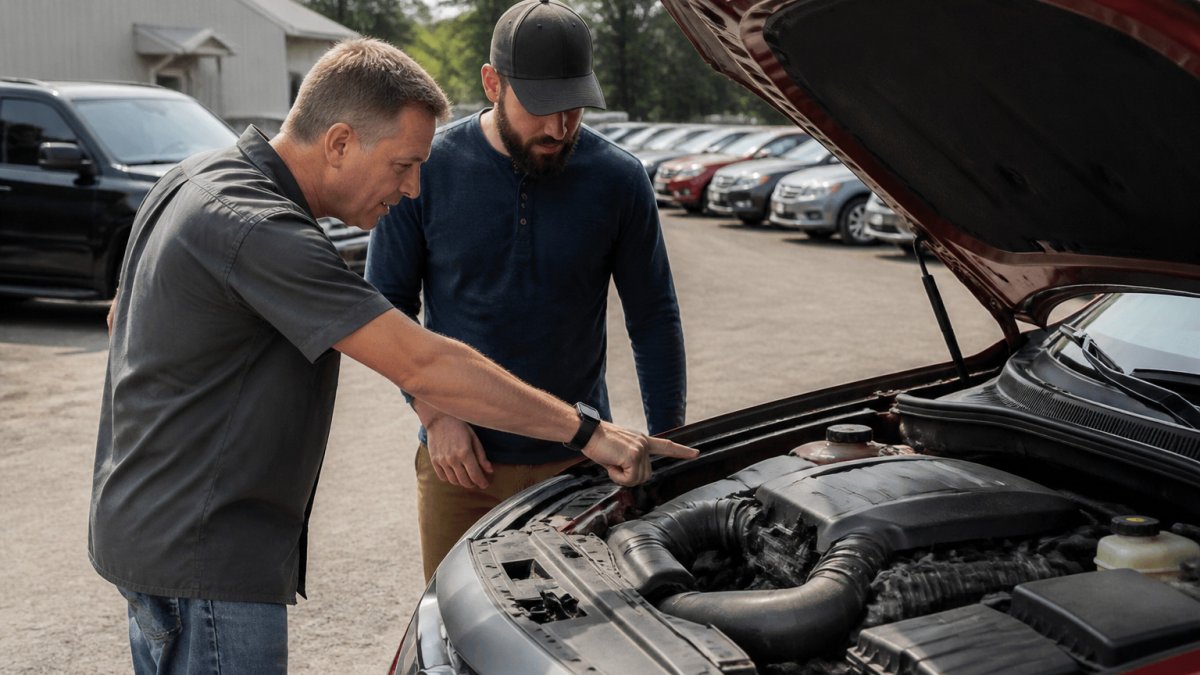
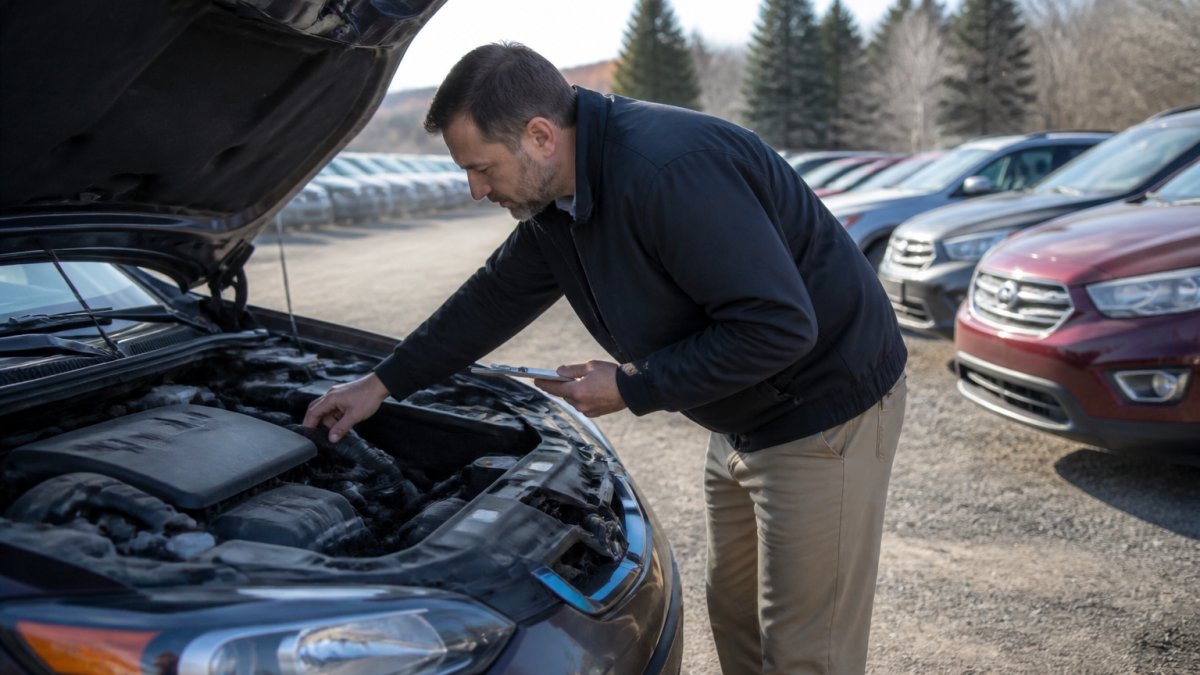
- Get a vehicle appraisal. A dealer inspects condition, mileage, accident history, and local demand, then makes an offer.
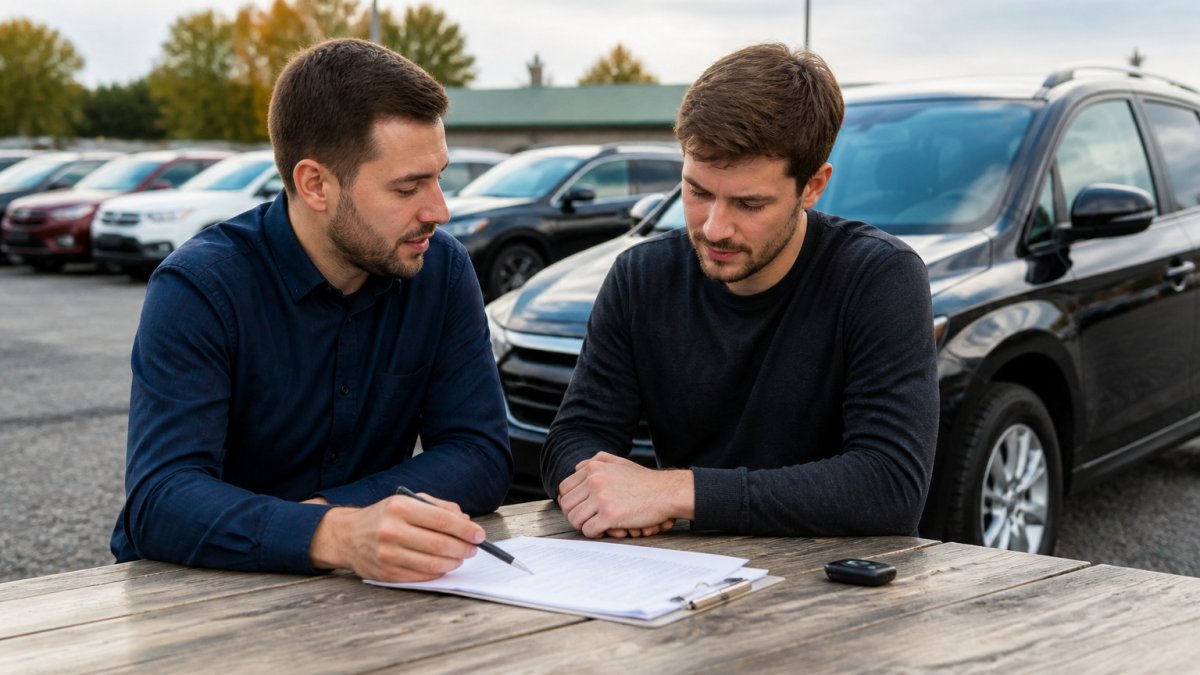
- Compare offers and negotiate. Weigh each offer against the private-sale value before you sign.
A trade-in value estimator is a starting point, not a final answer; expect the real offer to shift with inspection findings and local comparable sales. If you'd rather skip the guesswork, you can value my trade directly with our team and get a real offer based on your vehicle's condition and local demand.
Use a Trade-In Appraisal Checklist Before You Accept an Offer
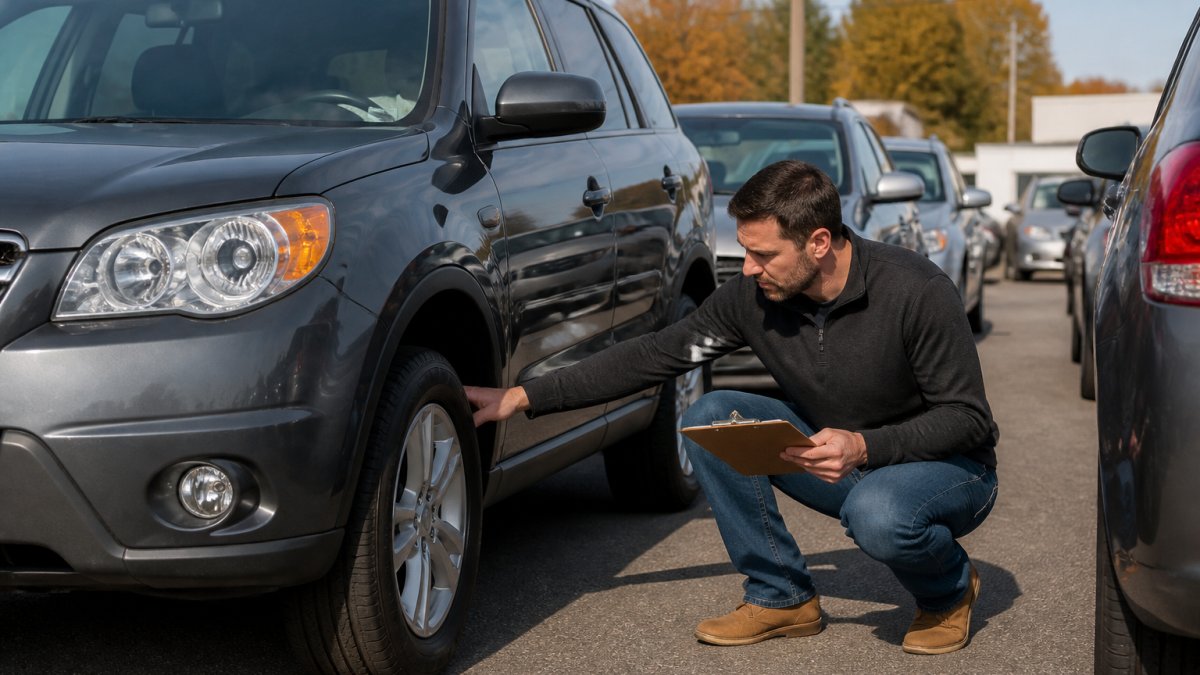
An appraisal is a close inspection, so bring your paperwork and know what the appraiser checks.
- Clean the interior and wash the exterior
- Gather maintenance records and service history
- Confirm the title is in hand and matches your name
- Note warning lights, leaks, or odd noises
- Check tire tread and brakes
- Fix cheap, visible repairs
- Look up your loan payoff if you still owe money
- Ask how long the offer stays valid
Skipping cleanup and small repairs can cost you money, because appraisers price visible neglect into the offer. For a closer look at the condition factors that affect appraisal value, see our guide on what to check when buying a used car.
Trade-In Value vs Private Sale: Which Nets You More?
Selling privately usually brings a higher price than a dealer trade-in offer, but it costs time, listing fees, and hassle. A trade-in is faster and simpler, and the dealer handles the paperwork.
| Factor | Trade-In | Private Sale |
|---|---|---|
| Price | Lower, but immediate | Higher, but takes time |
| Speed | Same-day deal | Weeks of showings |
| Paperwork | Dealer handles title work | You handle the transfer |
| Risk | Low | No-shows, payment scams |
| Best for | Convenience and timing | Sellers with patience |
Keep the trade-in price separate from the vehicle you're buying: negotiate the purchase price first, then the trade-in figure. Ask about loan payoff and equity too, negative equity rolls into the next loan, while positive equity works as a down payment. If you still owe on your current vehicle, our team can walk you through used auto financing options and how a payoff fits into your next deal.
Frequently Asked Questions
How do I find the trade-in value of my vehicle?
Start with an online valuation tool to get a rough range, then check listings for comparable vehicles with similar mileage and trim in your local market. Gather your maintenance records, clean the vehicle, and get an in-person appraisal from a dealer. The written offer, not the online estimate, is the number that counts. Bring your title, registration, and loan payoff information so the dealer can calculate your equity accurately.
Is a trade-in value the same as a private-sale value?
No. A dealer trade-in offer is typically lower than a private-sale price because the dealer covers reconditioning, paperwork, and resale risk. In exchange, you skip listing, showing, and negotiating with strangers, and the trade-in is handled at the same time as your purchase. Compare the net difference after repairs and your time before deciding which route is worth it.
What documents should I bring when trading in a vehicle?
Bring the vehicle title or lien release, current registration, a valid driver's license, all keys and remotes, and any maintenance or service records. If you still owe on the vehicle, have the lender's payoff statement ready. These documents let the dealership verify ownership and calculate your equity without delays.
Ready to see what your current vehicle is worth? Visit Hillside Motors at 5231 W. Wolf Run Road in Campbell, NY, or use our trade-in valuation tool to get started. We work with multiple financing sources, including credit unions and Credit Acceptance, and financing is subject to lender approval. Get started with Hillside Motors and turn your trade-in into your next dependable vehicle.